
Cybersecurity's Viral Threat: Deepfakes, Data Breaches, and the New Rules of Defense

Jayson Peralta
Software Developer & Tech EnthusiastIn 2025, cyber threats have learned a new trick: they go viral. Like a biological pathogen, a single malicious attack can now replicate, mutate, and spread across the digital landscape with terrifying speed and scale. The culprits are a new breed of AI-powered tools that have democratized cybercrime, and the targets remain the same: our data, our identities, and our trust.
Let's break down the digital pathogens that are defining the cybersecurity battleground of 2025.
1. The Deepfake Pathogen: Weaponizing Trust
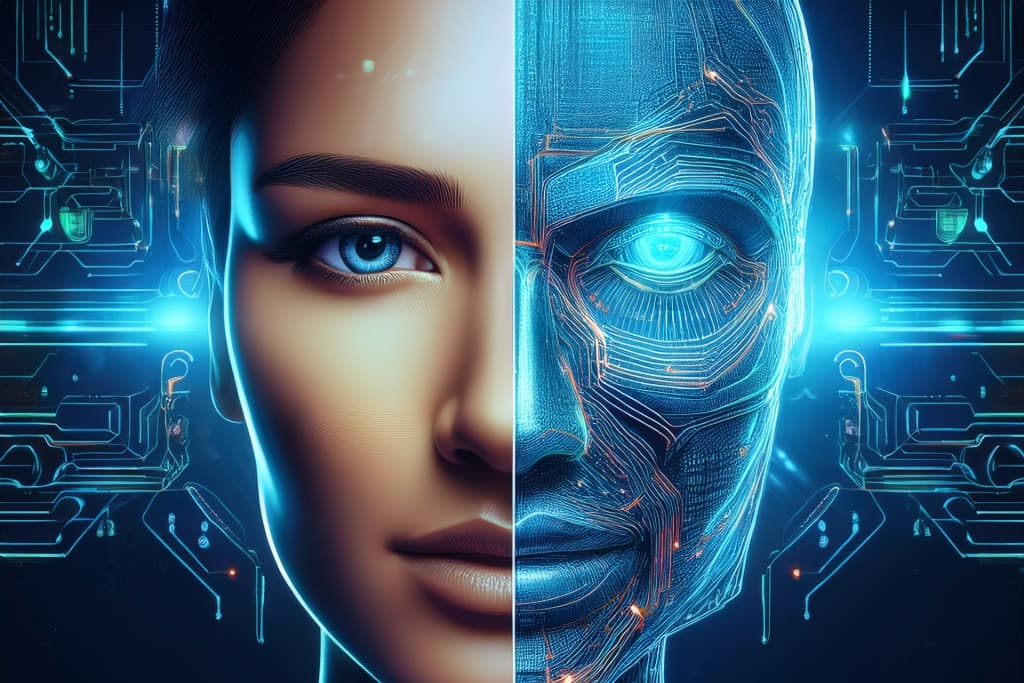
What used to require a Hollywood VFX budget is now available as a service. AI-powered deepfake technology can create hyper-realistic video and audio forgeries, and they are being weaponized for more than just political misinformation.
- The Threat: Imagine receiving a frantic video call from your CEO asking for an urgent wire transfer. The face is theirs, the voice is theirs, but it's all a sophisticated fake. This is "vishing" (voice phishing) on steroids. These attacks are used to bypass identity verification, authorize fraudulent transactions, and manipulate employees with terrifying effectiveness.
- Why it's Viral: The ease of creation and distribution. Malicious actors can now launch highly personalized and convincing attacks at scale, targeting thousands of individuals simultaneously with minimal effort.
2. The Data Breach Vector: Automated and Amplified
Data breaches are nothing new, but the speed and intelligence behind them have changed the game. Hackers are no longer manually searching for weaknesses; they are deploying AI agents to do the work for them.
- The Threat: AI-driven scanners relentlessly probe corporate networks, APIs, and cloud services for misconfigurations and zero-day vulnerabilities. Once an entry point is found, another AI is deployed to navigate the network, locate valuable data, and exfiltrate it, often evading traditional detection methods.
- Why it's Viral: The stolen data immediately fuels the next wave of attacks. Credentials from one breach are instantly used in automated credential-stuffing attacks across thousands of other services. The impact of a single breach doesn't just add to the problem; it multiplies it.
3. The Digital Immune Response: How Defenders Fight Back
For every new weapon, a new shield must be forged. The cybersecurity community is in a frantic arms race, leveraging AI to build defenses that are as agile and intelligent as the attacks they face.
- AI-Powered Threat Detection: Security platforms now use machine learning to establish a baseline of "normal" activity. They can instantly flag an anomalous login, an unusual data transfer, or a command that deviates from a user's typical behavior, shutting down attacks in real-time.
- Next-Gen Authentication: To combat deepfakes, companies are rolling out advanced "liveness detection" in their biometric systems. This technology analyzes subtle cues like blinking, slight head movements, and skin texture to differentiate between a live person and a digital forgery.
- Collaborative Defense: Threat intelligence is also going viral—in a good way. Automated platforms allow companies to share indicators of compromise (IoCs) instantly. When one company detects a new attack method, that information is shared across the ecosystem, effectively "vaccinating" other organizations against it.
"In the age of viral threats, your security posture is only as strong as your ability to learn and adapt in real-time. Static defenses are a death sentence."
Building Your Digital Immunity
In this environment, a passive defense is a losing strategy. You need to build a resilient digital immune system.
- For Businesses: Adopting a Zero Trust architecture is no longer optional. Assume every request is a threat until proven otherwise. Continuously verify identity, device health, and access privileges.
- For Individuals: Be skeptical of urgency. Verify any unusual request for money or sensitive information through a separate, trusted communication channel (e.g., call them back on a known number). Enable multi-factor authentication (MFA) everywhere you can.
Conclusion: The New Rules of Survival
The cyber threats of 2025 are defined by their speed, intelligence, and viral nature. The battle has shifted from a slow, manual chess match to a high-speed, automated war fought by algorithms. As defenders, our response must be equally dynamic. By embracing AI-driven security, fostering a culture of healthy skepticism, and collaborating to share intelligence, we can build an immune system strong enough to fight back against the threats that go viral.